As global climatic conditions become more and more unstable, HVAC and refrigeration equipment must run reliably over a wider range of environmental extremes. From scorching desert heat to icy Arctic weather, thermal management products are being tested as never before. Under these harsh conditions, microchannel heat exchangers have proven the superior option for industries over traditional fin-and-tube coils—increasing efficiency, longevity, and flexibility that allow consistent operation in the most demanding climates.
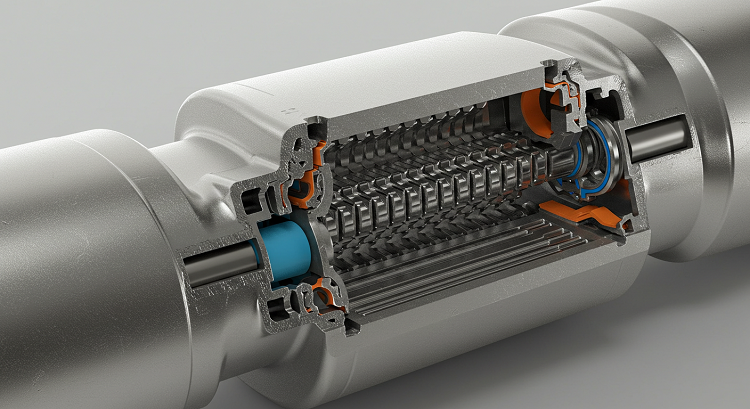
Perhaps the most astounding thing about microchannel technology is that it can maintain efficient heat transfer in high-temperature environments. Unlike the maldistribution of refrigerant and hotspots that can beset the conventional copper-aluminum coils, microchannel heat exchangers have flat aluminum tubes with multiple internal passages. This provides increased surface contact area and promotes more uniform refrigerant flow, ensuring stable cooling or heating performance regardless of the surrounding conditions. Where ambient temperatures consistently exceed 45°C in geographic locations such as Middle Eastern metropolises or factory floors in desert environments, the result is reduced compressor loading, reduced energy consumption, and extended system life.
Microchannel heat exchangers operate equally well in sub-freezing temperatures. Standard coils are prone to frosting and defrost inefficiencies that lead to increased energy draw and repeated service visits. Microchannel designs, however, benefit from improved finpitch and surface temperature control, enabling more consistent frosting formation and accelerated, improved defrosting cycles. This not only improves operational efficiency but also reduces system component wear—making them earmarked for applications in northern latitudes, high-altitude, and polar research locations.
Still another major advantage is that they are lightweight, which makes installation easier and enhances mechanical strength in extreme conditions. Whether mounted on roof tops exposing them to hurricane-force winds or placed in mobile refrigeration systems used in remote outposts, microchannel heat exchangers offer structural benefits that no coils can match. With their compact design, they are able to pack tighter into system cases, reducing exposure to outside contaminants while maintaining ideal airflow patterns.
Durability and Corrosion Resistance in Harsh Situations
Harsh weather conditions don’t always equate to extreme temperatures—there may be high humidity, salt-fouled air, or chemical exposure. These will accelerate corrosion and detract from system efficiency over time. Typical coil material like copper and brass may provide great thermal conductivity, but are more susceptible to formicary corrosion under the presence of vapors of volatile organic compounds (VOCs) or damp environments.
Microchannel heat exchangers, made primarily of aluminum and protected with hydrophilic protective coatings, offer much greater resistance to such stressors. Smooth internal passages of microchannel tubes also resist fouling and microbial colonization—an valuable benefit in tropical or coastal facilities where condensation and humidity are ongoing challenges.
Microchannel water coils for extreme use are an ideal option for facility engineers and managers working in severe environments, as they offer sustained stability and minimal downtime. Used in district cooling systems, industrial process chillers, and precision HVAC hardware, these cutting-edge heat exchangers ensure consistent performance without requiring excessive maintenance.
Experts seeking tried, high-performance coil solutions tailored to extreme weather use can find detailed product information and technical support at https://www.kaltra.com/microchannel-water-coils . There, they will discover how future-proof microchannel technology is integrated perfectly in pragmatic thermal management strategies compatible with the most challenging environmental conditions on the planet.
Flexibility Across Varied Thermal Requirements
Besides climatic resilience, microchannel heat exchangers are also effective in handling fluctuating thermal loads—another very common problem in harsh climates. Where day-night temperature differences of 30°C or more are common, maintaining constant conditions within buildings requires responsive, adaptive thermal components. Microchannel tube internal geometry makes it possible to respond rapidly to changing load requirements, supporting energy efficiency and human comfort.
This versatility makes microchannel heat exchangers ideal for use in modular cooling systems, emergency response teams, and off-grid operations where power is scarce. Used in a field hospital exposed to sub-zero temperatures or a mobile data center deployed in the desert, these coils provide reliable operation without compromising efficiency or performance.
To system designers and technicians who would prefer to future-proof their devices from worst-case weather and temperature conditions, adopting microchannel technology is a shrewd investment—both in the current system performance and in future operational sustainability.
Lastly, whether an HVAC or refrigeration unit will function well in the most extreme climates of all is a function of its ability to bear both thermal and environmental stress without losing effectiveness. With their elevated thermal transfer, reduced weight, and improved corrosion resistance, microchannel heat exchangers are increasingly becoming a smart choice for some of the world’s most extreme locations.
Whether integrated as part of new construction or added to an existing infrastructure, incorporating microchannel technology is not just about keeping up with what’s new—it’s about delivering dependable, efficient thermal performance in the face of nature’s toughest demands.